Major airline shutting down amid jet fuel chaos as all flights cancelled
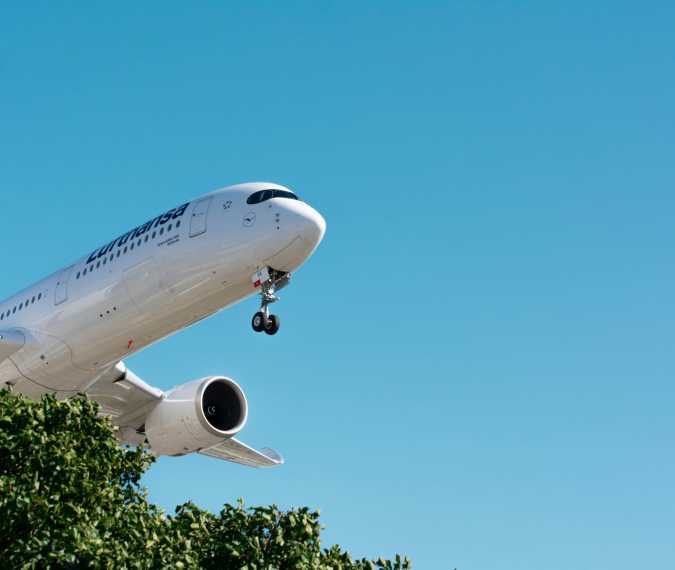
Germany’s flagship carrier, Lufthansa, has announced the shutdown of its regional subsidiary, Lufthansa CityLine, as rising jet fuel prices continue to shake the aviation industry.
The move comes amid a sharp increase in global oil prices, triggered by ongoing tensions in the Middle East following the Iran war. Since late February, fuel prices have climbed significantly, putting additional pressure on airlines already navigating a challenging economic environment.
Fleet Changes and Strategic Shift
As part of a broader restructuring plan, Lufthansa confirmed that all 27 CityLine aircraft will be permanently withdrawn from service. The decision officially took effect on April 18, with the company citing the need to limit further financial losses from the struggling regional unit.
In addition to high fuel costs, Lufthansa pointed out that CityLine’s fleet—particularly its Canadair CRJ aircraft—is aging and expensive to maintain. These operational challenges made it increasingly difficult to justify continued investment in the subsidiary.
At the same time, the airline is scaling back its long-haul operations. By the end of the summer schedule, Lufthansa expects to operate just six intercontinental aircraft. The company is also preparing to retire its remaining Airbus A340-600 jets by October, marking the end of this aircraft’s presence in its fleet.
Fuel Costs Driving Decisions
Although Lufthansa has hedged approximately 80% of its fuel consumption to protect against price volatility, the remaining portion must still be purchased at current market rates, which have risen sharply. This more expensive fuel share is now a key factor behind the airline’s cost-cutting measures.
To mitigate the impact, Lufthansa plans to further reduce its fuel demand, aiming to cut around 10% from this high-cost segment.
Impact on Employees
Chief Financial Officer Till Streichert described the decision as unavoidable given the current geopolitical and economic climate. While the closure of CityLine had already been considered as part of the company’s long-term strategy, the recent crisis accelerated its implementation.
He acknowledged that the move would be difficult, especially for CityLine employees, but emphasized efforts to support staff during the transition. Many ground employees have already been reassigned within the group, while pilots and cabin crew have been offered roles at Lufthansa’s newer subsidiary, Lufthansa City Airlines, with comparable pay arrangements.
End of an Era
Founded in 1963, just a few years after Lufthansa itself, CityLine played a longstanding role in the airline’s regional network. Its closure marks the end of more than six decades of operations and reflects the broader transformation taking place across the aviation industry.
As airlines continue to adapt to fluctuating fuel costs and global instability, Lufthansa’s decision highlights the tough choices carriers must make to remain competitive in an unpredictable market.